Dementia resources for professionals
People with dementia and their caregivers would benefit from an educated and prepared workforce across all professions. With a better understanding of dementia comes compassion. A more dementia-competent workforce will help reduce stigma, increase acceptance, and enable those with dementia and their caregivers to live their best lives possible. Anyone working with the public should be given basic information about dementia, which will create safe and welcoming environments for all.
From employees to consumers, people living with the disease and caregivers are part of your world. We hope to provide resources that can help you strengthen dementia knowledge, find continuing education credits for your license, and support employees, employers and consumers.
Resources by Profession
Utah is part of the Dementia Friendly America initiative. If you don't see your profession below, we suggest you look at the Dementia Friendly Sector Guides.
Banks & Financial Organizations
Banks or financial institutions are used in many stages of life. People who have been newly diagnosed may be coming to organize their affairs, caregivers may be coming in for assistance. Bank employees may notice an individual with unusual behaviors from struggling with basic transactions to a significant change in poor judgement or overspending.
People with dementia can be more vulnerable to fraud and financial exploitation. There are signs you can watch for and training that could be helpful in protecting your customers or members.
Resources:

Chaplain
Chaplains offer spiritual guidance and pastoral care to patients and their families. Oftentimes, Chaplains provide support, assist with decision making, offer resources and provide grief counseling.
Resources:
- Dementia Friendly Worship: A Multifaith Handbook for Chaplains, Clergy and Faith Communities (UsAgainstAlzheimer's)

Employee Support Programs
Dementia affects all of us. Employee support programs should be aware of resources for the people living with dementia and their care team. These resources could prevent someone from a crisis situation or help them get out of one.
Resources:

First Responders
It is likely that first responders will have an interaction with someone who has dementia. It is important to know have tips on understanding the situation and how to respond. If you are looking for resources for the people you are helping, we suggest you refer them to their local Area Agency on Aging (AAA) as they will have the most up to date information on resources in your area. To find your local AAA visit eldercare.acl.gov and enter your ZIP code.
Resources:

Public Health
Dementia can be viewed in many ways. Historically, dementia has been seen as an aging or older-adult issue. Due to the increasing numbers of people affected by dementia, it is important that we view this as a public health crisis. There is a lack of awareness and understanding of dementia which can result barriers to diagnosis, care, and resources. Public health interventions can help spread information, reduce stigma, and support people to work with their healthcare provider for diagnosis and treatment.
Resources:
- A public health approach to Alzheimer's and other dementias
- Dementia (World Health Organization)
- Dementia: A public health priority
- Educating health care professionals: What public health can do
- Public health curriculum (CHES continuing education credits)
- Resources for community and public health professionals: Alzheimer's and related dementias
- The public health road map to respond to growing the dementia crisis
- Why is Alzheimer's a public health issue?

Professional Caregivers
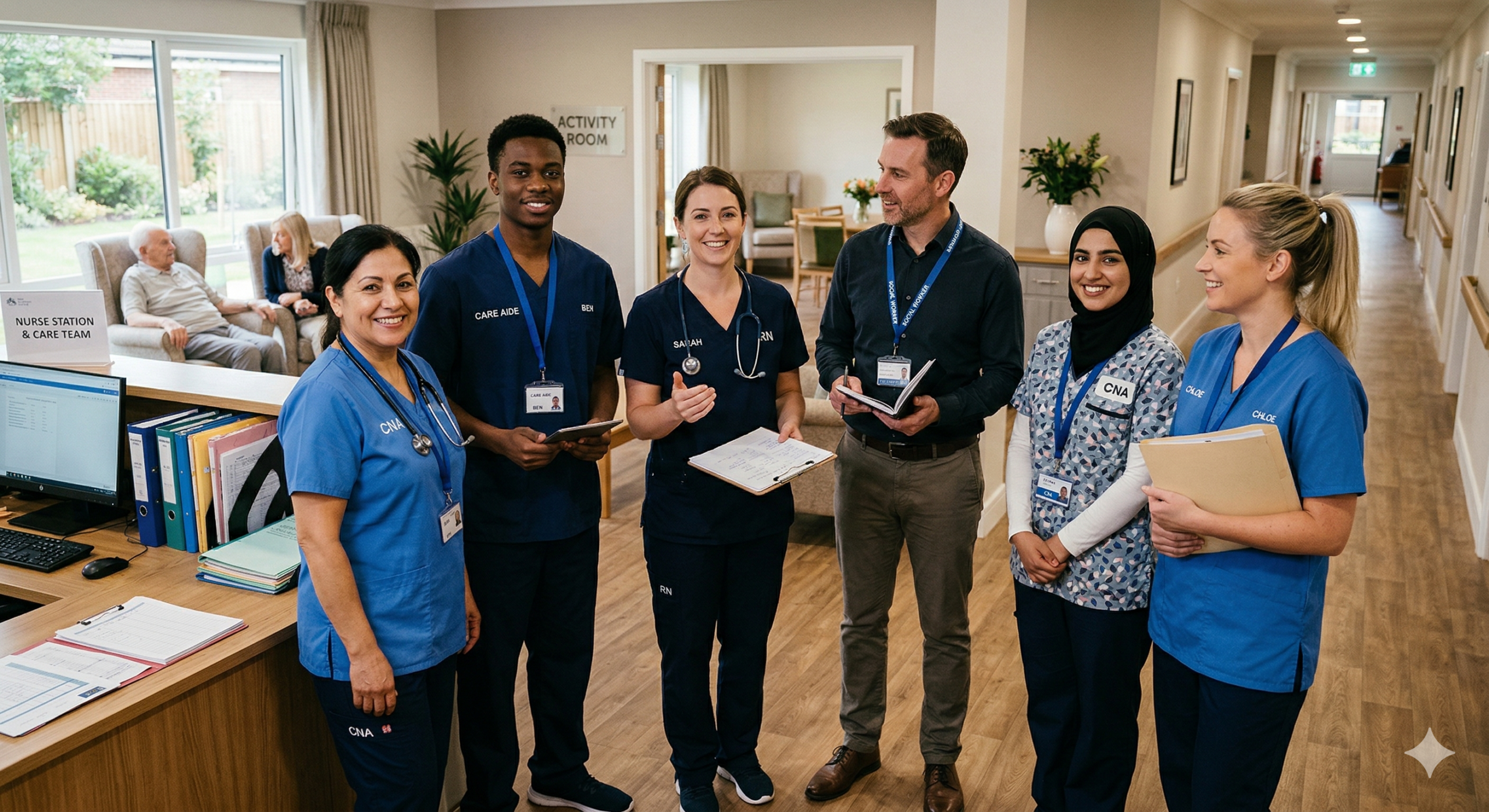
Professional caregivers work with individuals in all stages of dementia and can be a vital resource for families and care teams. Professional, also known as formal, caregivers go into homes, work in care communities, and assist other healthcare providers.
Resources:
Health Systems & Medical Professionals
Healthcare professionals are important in reducing the stigma and increasing awareness of diagnosis, treatment, and resources for people with dementia and their care team. There are many resources to aid health systems and medical professionals throughout the diagnostic process and continuing care.
In 2025 a letter to healthcare professionals was sent to a variety of providers from our Alzheimer's Disease and Related Dementias Coordinating Council through the Division of Professional Licensing. This letter discussed the importance of early detection, diagnosis, how to have the conversations and provided resources for the provider, caregiver and patient being diagnosed.
Resources:
- Alzheimer's Disease Education and Referral (ADEAR) Center
- Alzheimer's and related dementias resources for professionals
- Building our largest dementia infrastructure (BOLD) early detection resource guides
- Continuing education on Alzheimer's and dementia
- Dementia Diagnosis (Stanford Medicine)
- Dementia Friendly America: Health care throughout the continuum
- Health and social care professionals
- Healthy systems and medical professionals (Alzheimer's Association)
- Resources for health care providers: Alzheimer's and related dementias
- Train health care workers about dementia
Continuing education credits:
